SploitCast's History and Goal Where the Security Talk Show Comes From
In the middle of the 2000s, a group of students and IT workers chose to start something new. The show for hackers, geeks, and people who are worried about security was called SploitCast. This wasn't polished like corporate shows; it was raw, community-driven, and scientific without shame. Vulnerabilities, attack code, security news, and even some strange topics were talked about on the show to keep things interesting. The direct line between the show's writers and listeners—a feedback loop that formed every episode—was what made it unique.

Why SploitCast Began as a School Project
The idea behind SploitCast was simple: make a talk show that people could download where security fans could meet online. It's not like the founders had decades of experience in the field. They were interested individuals who wanted to talk about things that the big tech media usually didn't cover.
The IT experts who made a talk show that you can download
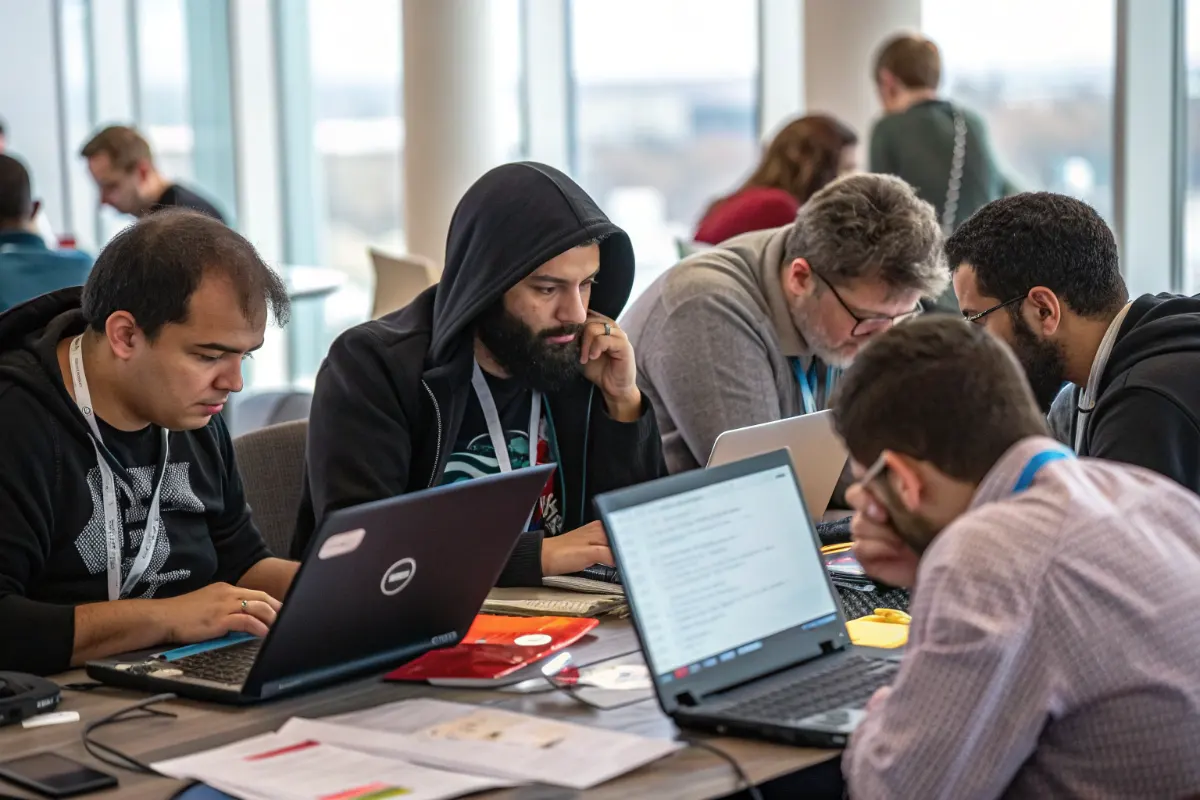
People who worked on SploitCast came from a lot of different places. Some were learning computer science, some were getting their first job in IT, and some were self-taught experts who were interested in how things go wrong. One thing they had in common was a deep interest in security that went beyond what you see in the news. The recording gear was simple and the production values were low, but the material was important because it came from real professionals.
Their way of doing things was casual but focused. As new flaws were found, episodes talked about them, broke down exploit code, and gave security-relevant comments on tech news. The group also said they would do interviews and round table discussions with other people in the security business to give their viewers a range of points of view.
Early Episode Formats and a Model for Community Feedback
From the beginning, SploitCast marketed itself as being led by the community. The creators made it clear that they wanted people to say what they liked and didn't like. That wasn't just marketing talk; they really did change the material based on what people said. Early shows tried out different types of formats, such as deep dives by one person, group talks, and interviews with guests.
The show knew that people who work in security often do their jobs alone. They talked about this straight out and invited people to come back on lonely nights or dull days at work to feel the warmth of people who are just as worried about your safety as you are. It made people feel like they belonged in a way that scientific material alone couldn't.
Content Philosophy That Defined SploitCast
What separated SploitCast from other security podcasts was its willingness to go deep without apology. The show did not dumb things down for casual listeners. If you wanted accessible content, plenty of other options existed. SploitCast served those who craved technical substance.
We never wanted to be the podcast that explains security to beginners. We wanted to be the podcast where security professionals could learn something new every episode.
Topic Categories Covered Across SploitCast Episodes
The range of subjects discussed on SploitCast reflected the breadth of security as a field. Below is a breakdown of the primary categories that appeared throughout the show's run:
- Vulnerability analysis and exploit development
- Network security and penetration testing techniques
- Malware reverse engineering
- Security news and industry commentary
- Interviews with security researchers and professionals
- Cryptography and secure communications
- Web application security

Technical Deep Dives That Set the Show Apart
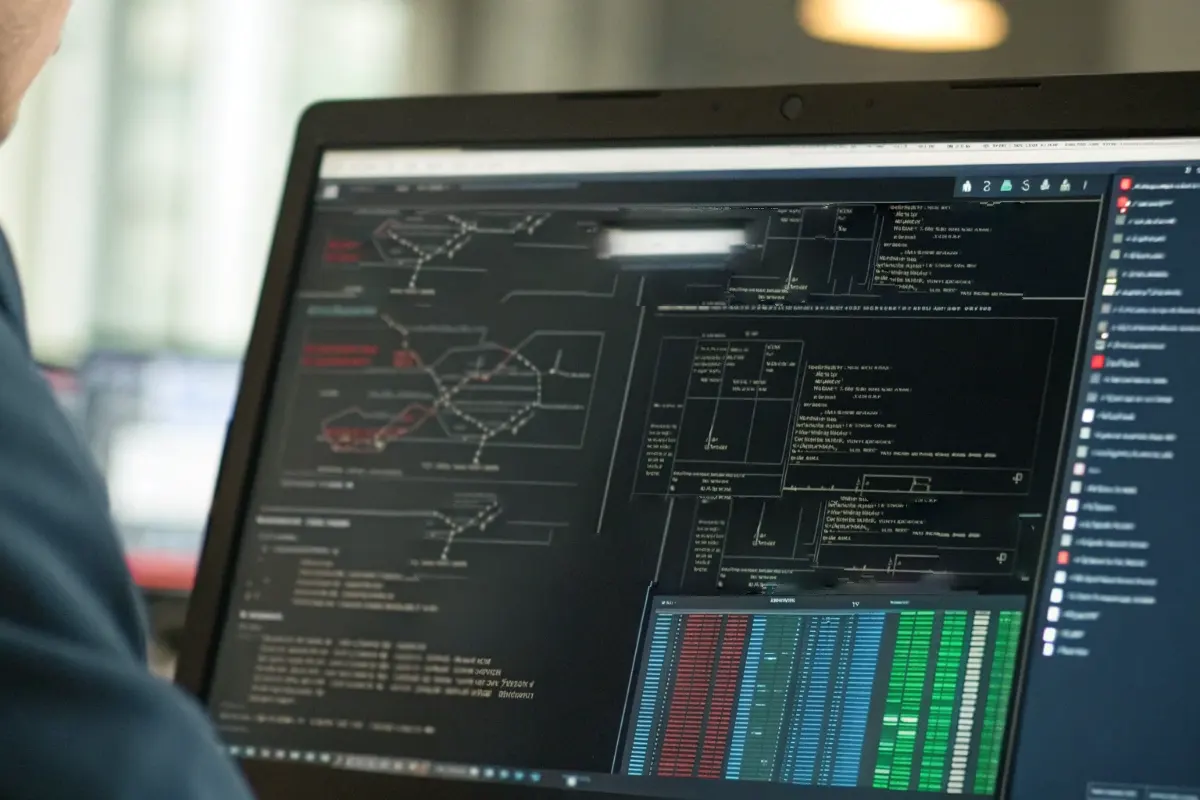
Episodes frequently featured detailed breakdowns of newly discovered vulnerabilities. The hosts would walk through the technical details, explain the underlying flaws, and discuss potential mitigation strategies. This approach attracted a dedicated audience of security practitioners who valued the depth of analysis.
| Episode Type | Typical Duration | Target Audience |
|---|---|---|
| Vulnerability Deep Dive | 60-90 minutes | Security researchers |
| News Roundup | 30-45 minutes | IT professionals |
| Guest Interview | 45-60 minutes | General security community |
| Tool Review | 20-30 minutes | Penetration testers |
The Legacy and Impact of SploitCast on Security Media
SploitCast demonstrated that technical content could find an audience without compromise. The show proved that community-driven media could compete with professionally produced content by offering authenticity and expertise that corporate productions often lacked.
Many security professionals who started their careers in the mid-2000s point to SploitCast as an influential part of their education. The show created a template for technical podcasting that continues to influence security media today.
Lessons for Modern Security Content Creators
The success of SploitCast offers valuable lessons for anyone looking to create technical content. Authenticity matters more than production quality. Community engagement builds loyal audiences. And there will always be demand for content that doesn't shy away from complexity.
Frequently Asked Questions
What was SploitCast?
SploitCast was a security-focused podcast that started in the mid-2000s, created by students and IT workers. It covered vulnerabilities, exploit code, security news, and featured community-driven discussions for hackers, geeks, and security professionals.
Who created SploitCast?
SploitCast was created by a group of students and IT workers who shared a deep interest in security. The creators came from diverse backgrounds including computer science students, IT professionals, and self-taught security experts.
What topics did SploitCast cover?
SploitCast covered a wide range of security topics including vulnerability analysis, exploit development, network security, penetration testing, malware reverse engineering, cryptography, web application security, and industry news commentary.
What made SploitCast different from other security podcasts?
SploitCast stood out by going deep into technical content without dumbing things down for casual listeners. It was community-driven, featured real professionals, and maintained a direct feedback loop with listeners that shaped each episode.
What formats did SploitCast episodes use?
SploitCast experimented with various formats including solo deep dives on specific topics, group discussions and round tables, interviews with security industry guests, and news commentary sessions covering recent security events.